Built to
remember.
Hebbr is a memory-science study app. The techniques that feel like learning usually aren’t — we use the ones that are: encode, retrieve, teach back, space, each walked by an AI partner.
- 01PlanDrop a topic, syllabus, or URL — Hebbr proposes a single deck or a multi-deck course plan.
- 02GenerateClaude drafts the cards, a second pass fact-checks each one before it lands.
- 03LoopFour phases over time. One Study button — Hebbr picks the right phase per card, every session.EncodeRetrieveTeach-backSpace
- 04ExamPractice exam mode tests what stuck. Weak cards loop back through the study phases.
- 05MasteredCards graduate. FSRS keeps them spaced just before forgetting — so they stay learned.
Built on how memory actually works.
Four phases, across days — not one session.
Every card moves through the same loop over time — the phases memory science says actually wire a fact down. Each session, Hebbr picks the phase each card needs today. One button does the picking.
- 01TutorEncodeA new card surfaces. In your own words — what is this like? You produce the hook; Hebb refines it and saves it with the card.
- 02Tutor on missRetrieveWhen a card comes due, recall it cold. Hebb grades, explains what you missed, and moves on.
- 03ProtégéTeach-backOnce you’ve retrieved a card, explain it back to Hebb. He plays the student — asks a question, points out the gap, makes it stick. The act of teaching is what locks it in.
- 04SilentSpaceFSRS schedules the next touch — the moment before forgetting, the card comes back. You don't pick when to review.
Every phase, a principle behind it.
Hebbr uses FSRS — the Free Spaced Repetition Scheduler, a modern open-source successor to SM-2 — to predict the moment each card is about to slip, and schedules it there. You spend less time reviewing. You remember more.
One AI. Three roles. The loop picks.
The best way to learn something depends on where you are with it. A tutor when you’re stuck, a student when you think you’ve got it, a peer when you want to think out loud. Hebbr picks the role that fits the phase — you can override with one tap.
“Think of FSRS as a weather forecast for your memory — let me show you why that matters here.”
“Wait, so spaced repetition works because forgetting is… good? Can you say that part again?”
“I keep mixing up SM-2 and FSRS — want to trade: you take the first, I'll take the second?”
Three steps to a deck you can trust.
Named for Donald Hebb.
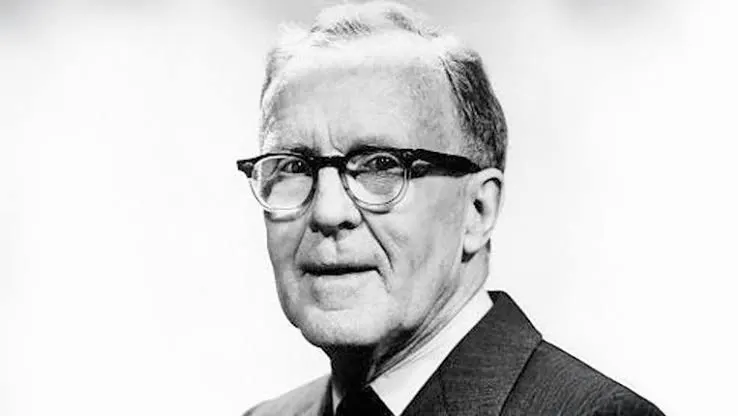
In 1949, Canadian psychologist Donald Hebb described the rule behind modern neuroscience: when two neurons fire together, the connection between them strengthens. That principle — Hebbian learning — is the biological reason memory sticks. Every phase of the loop is built to fire the right cells together at the right moment.
Hebb’s rule also seeded artificial intelligence. In 1982, John Hopfield built the first associative-memory neural network on Hebbian learning — work that earned a share of the 2024 Nobel Prize in Physics with Geoffrey Hinton for the foundations of modern machine learning. The same rule that wires your memories wires today’s neural networks.
Built to remember.
Free to start. Bring your own syllabus — or describe a goal and let Hebbr draft the whole course for you.
Try Hebbr free